
Timeless Principles. New Possibilities
A Decade of Research and Drawing
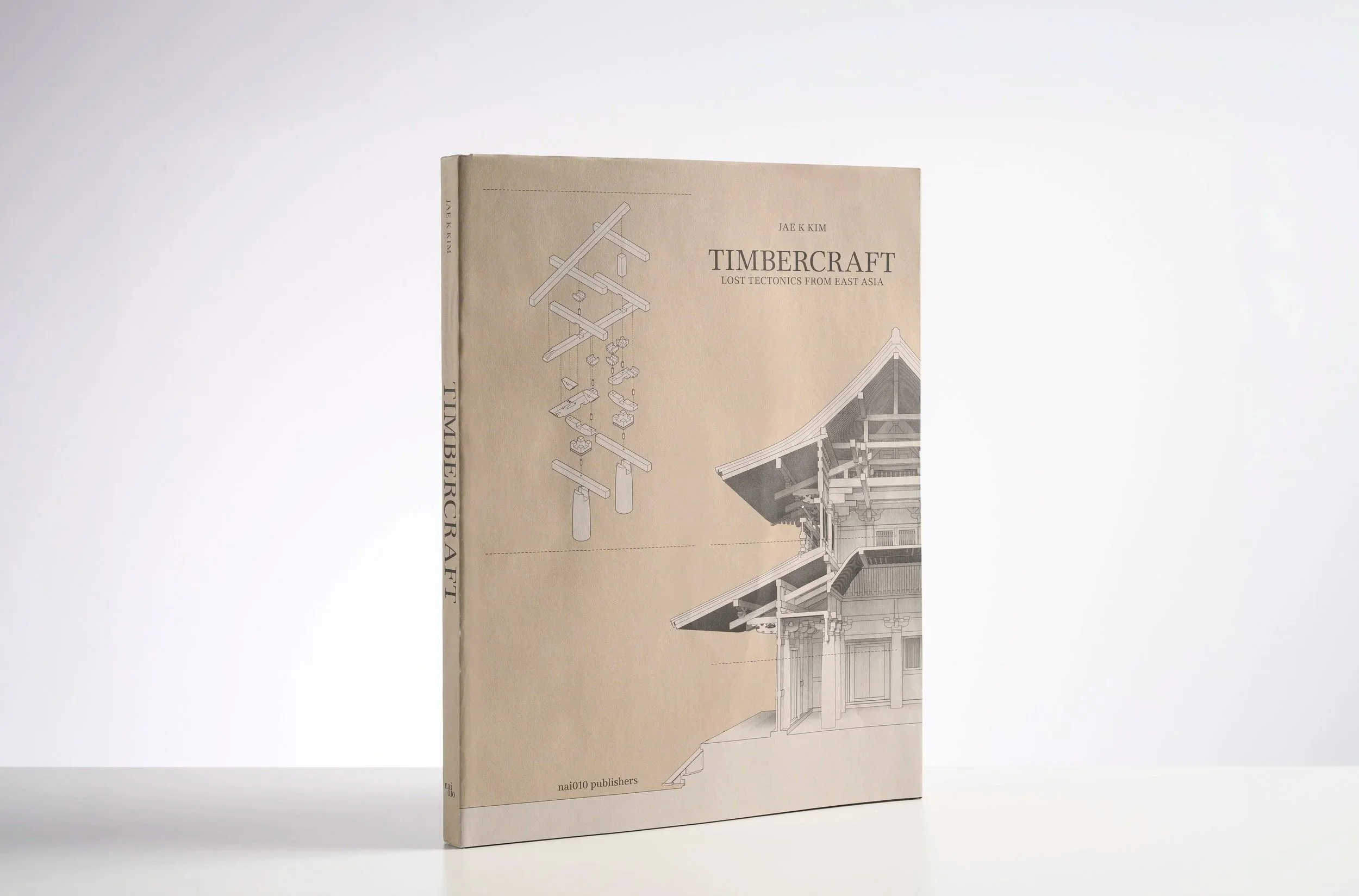
Timbercraft: Lost Tectonics from East Asia
At a time when timber is again reshaping architectural practice, Timbercraft: Lost Tectonics from East Asia revisits the enduring legacy of traditional East Asian construction. Spanning more than 1,400 years, the book examines nine landmark buildings in China, Japan, and Korea, tracing the evolution of sophisticated timber systems through interlocking components, bracket complexes, and intricate joinery.
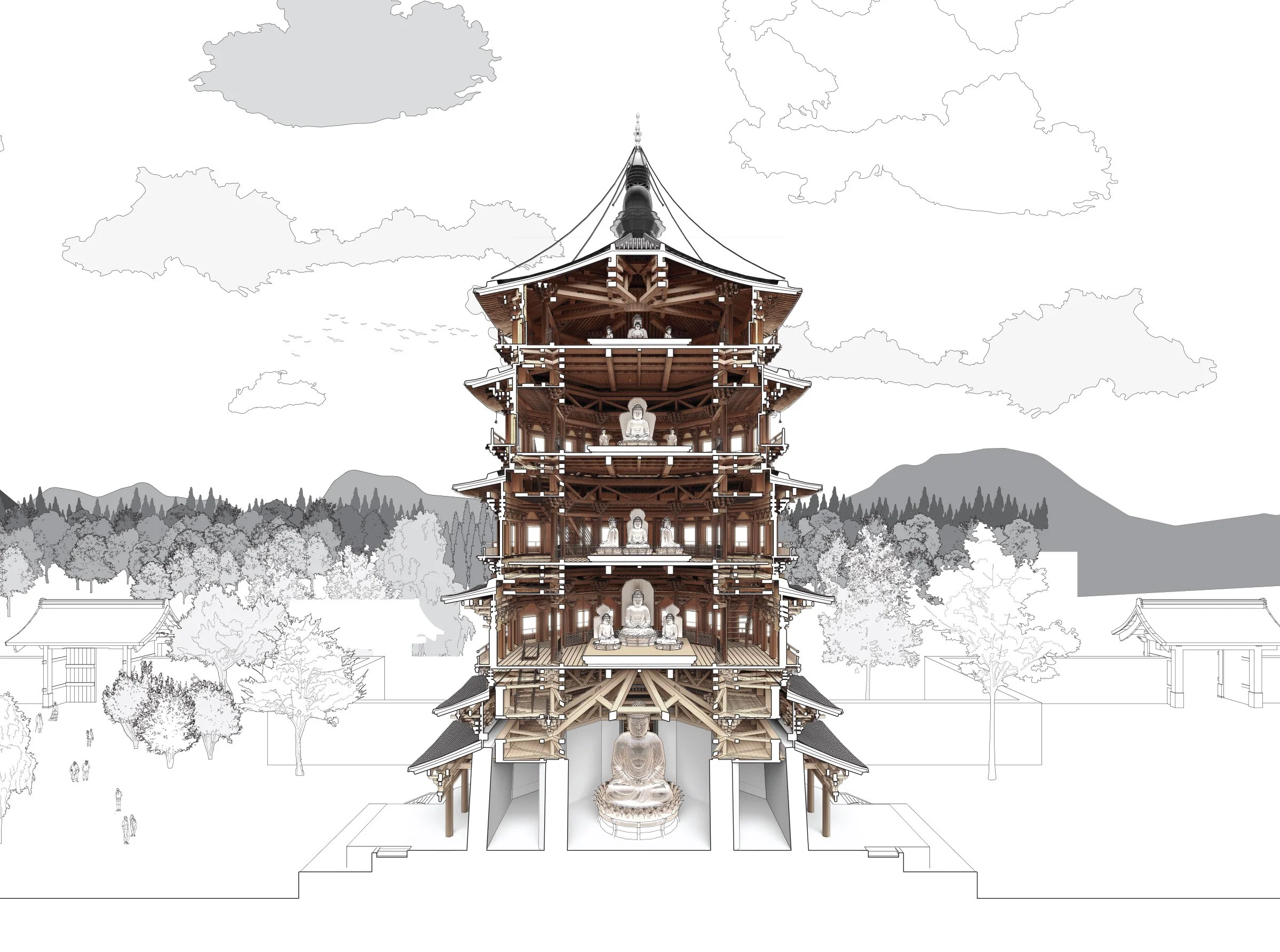
Written by architect and researcher Jae K Kim, Timbercraft makes this complex body of knowledge accessible through original analytical drawings, section perspectives, exploded axonometric drawings, and assembly studies. The illustrations reveal both the technical precision of structures that have endured for centuries and the spatial, cultural, and material ideas embedded within them. Essays provide historical and theoretical context, examining the craftsmanship, values, and structural intelligence that shaped the tradition.
Looking forward as much as it looks back, Timbercraft concludes with contemporary design proposals in which Kim reinterprets these time-tested principles, demonstrating how traditional methods can inspire new approaches to structure, fabrication, and architectural expression.
Combining historical research, design analysis, and visual documentation, Timbercraft offers architects, designers, builders, and scholars a resource on both the enduring intelligence and contemporary potential of timber construction.